
CEs for Your Clinical Practice
Rigorous NBCC CEs designed for the work you're already doing.
Home-study format. Complete at your own pace with one year of unlimited access.
Trauma Informed
✳︎
NBCC Approved
✳︎
LPC & LMFT
✳︎
Continuing Education
✳︎
Instant Access
✳︎
Trauma Informed ✳︎ NBCC Approved ✳︎ LPC & LMFT ✳︎ Continuing Education ✳︎ Instant Access ✳︎
CONTINUING EDUCATION FOR CLINICIANS
Join the clinician list for new training early access, and CE updates.
Ahava Wellness was built as a clinical practice first.
Every course we offer comes from the same place as our client work; a genuine belief that the most effective therapy happens when clinicians understand not just what to do, but why it works and how to adapt it to the person in front of them.
Our continuing education is designed for LPCs and LMFTs who want to deepen the way they think about the work. The courses examine the theory beneath clinical practice and the physiology that informs it, with an emphasis on how that understanding changes what happens in the room.

Depth Changes the Work
Our continuing education courses examine the forces shaping what clients bring into the room, including attachment, nervous system adaptation, identity, anxiety, menopause, and women’s hormonal physiology. Each training connects current research with clinical theory and the realities of practice, giving clinicians a fuller framework for understanding symptoms, behavior, relationships, and change. Courses are designed to deepen case formulation, and expand the questions clinicians know to ask.
What You’ll Learn

. 01 Transforming Your Clinical Lens
We don't just skim the surface of symptoms; we dive into the "why" behind the clinical presentations you see every day. You will explore the intersection of attachment patterns, somatic processing, and the nervous system to understand how core beliefs and emotional regulation are woven together. By grounding your work in these existential and physiological frameworks, you gain a clearer lens for conceptualizing the internal experience of the person sitting in front of you.
.02 Translating Neuroscience in the Therapy Room
Understanding the theory is only half of it; knowing how it lives in the body is what changes the work. This section focuses on the neuroscience of the nervous system and how physiological states dictate emotional capacity. You will learn to identify the somatic markers of attachment injuries and regulation struggles, giving you the ability to bring a "physiology-first" perspective into your sessions without losing the relational heart of the therapy.
.03 Adapting Frameworks for the Real Clinical Hour
The final focus is on the "how"—the practical adaptation of complex theories into a 50-minute hour. You will walk away with an integrated clinical framework that connects attachment patterns and core beliefs to real-time regulation strategies. These courses provide the tools to help you move beyond manualized treatment and instead adapt your interventions to the unique person in the room, ensuring your work remains both deeply effective and authentically human.
About the Instructor

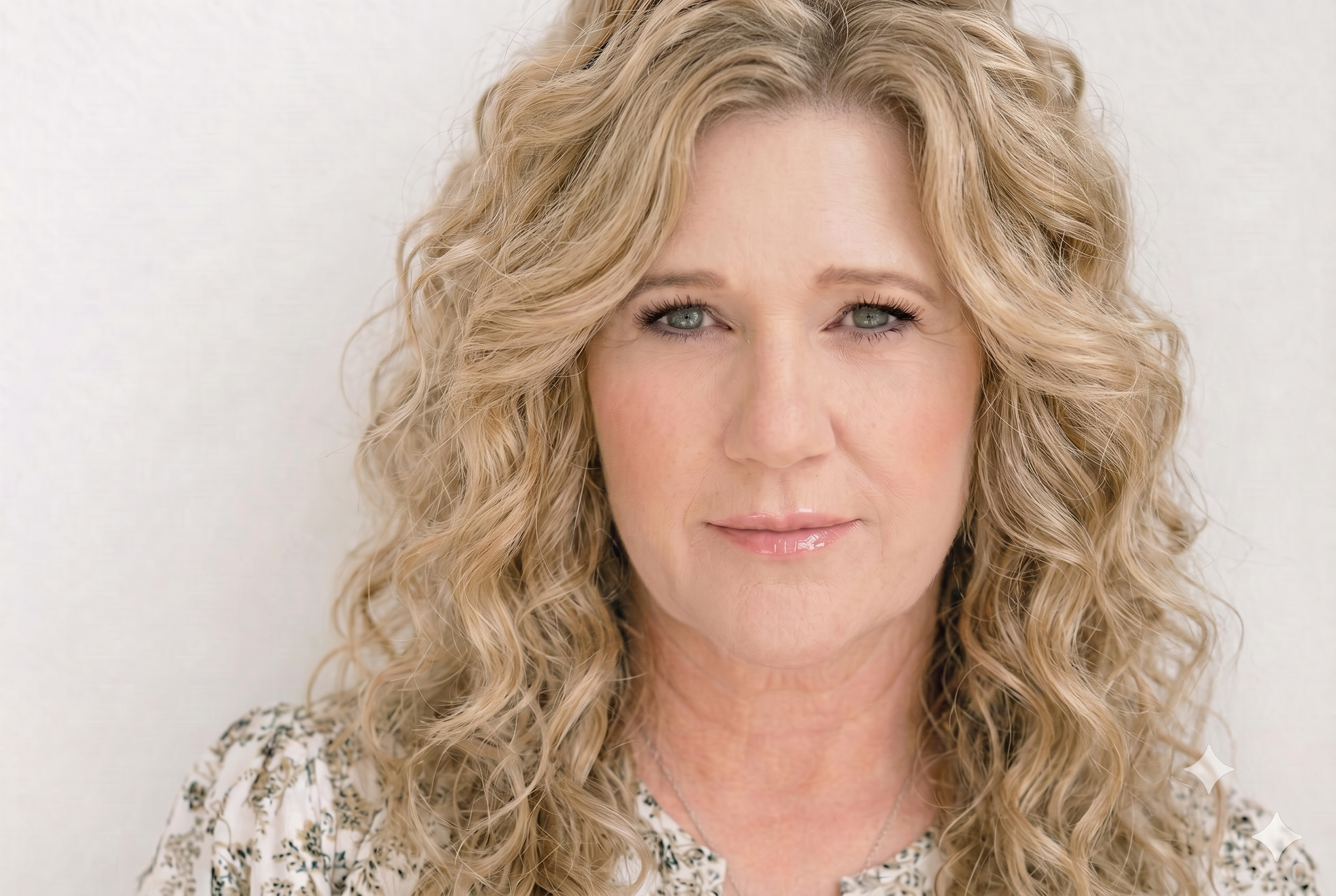
I'm a Licensed Professional Counselor and EMDR-trained clinician with advanced training through NYU and Harvard Medical School. My work focuses on trauma and on how identity, meaning, and psychological stability hold up during periods of change, including the endocrine and neurological shifts of midlife.
These courses reflect the clinical models I use in practice. They are structured for session work rather than for theory alone.
Your Questions, Answered
-
These courses are for LPCs, LMFTs. and LCSWs. Check with your state board for NBCC acceptance.
-
Our courses are NBCC-approved and accepted by most state licensing boards for LPCs. LCSWs and LMFTs should verify acceptance with their state board. You will self-report your hours by uploading your certificate to your state's CE tracking system
-
Your certificate is generated automatically the moment you complete the course assessment. You can download and print it immediately from your student dashboard.
-
Yes. All courses are home study and available on demand. There are no live sessions or scheduled components. You have access for one year.